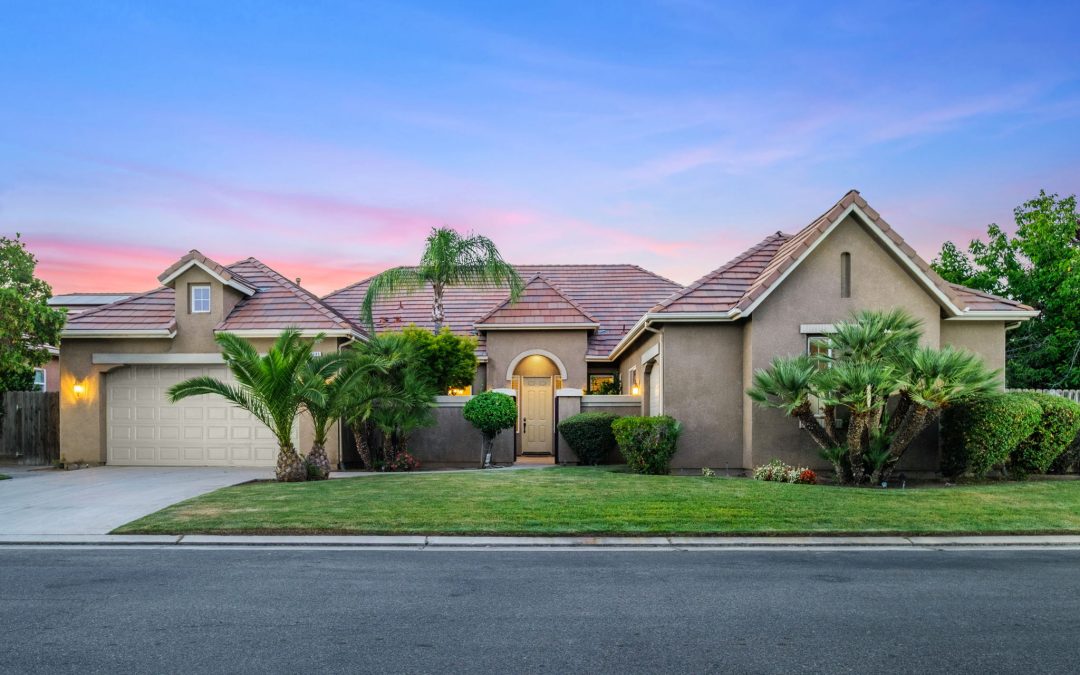
Selling a home as a successor trustee or probate administrator comes with unique responsibilities. In California, these sellers are considered exempt sellers, meaning they have never lived in the home and often have limited knowledge of the property’s history or condition. Because of this, you provide an Exempt Seller Disclosure, which informs buyers that you don’t have firsthand information and that they should perform their own inspections.
Before 2025, most buyers understood this process. They accepted the limited disclosure and moved forward with their own due diligence. But today’s buyer’s market tells a different story. With higher inventory and more choices, buyers are slower, more cautious, and far more selective. Simply handing over an exempt seller disclosure is no longer enough to attract strong offers.
Why Exempt Sellers Need to Do More in 2025
As a successor trustee or probate administrator, your job is to act in the best interest of the heirs or beneficiaries. That means not just listing the home “as is,” but also positioning it to compete with other properties on the market. In 2025, buyers don’t just want to see the home — they want confidence in what they are purchasing.
By providing licensed professional inspections up front, you:
- Give buyers peace of mind, which encourages stronger offers.
- Show transparency, building trust with potential buyers.
- Prevent surprises that could derail escrow.
- Often achieve a higher sales price for the trust or estate.
Recommended Inspections for Probate and Trust Sales
To compete in today’s buyer’s market, consider completing the following before listing:
- Pest Inspection – Identifies Section 1 and Section 2 issues such as termites or dry rot.
- Home Inspection – Provides a full overview of the property’s condition, from plumbing to electrical systems.
- Roof Certification – Verifies the roof’s condition and lifespan, a major concern for most buyers.
- HVAC & Water Heater Check – Ensures heating, cooling, and hot water systems are in working order.
- Pool Inspection (if applicable) – Confirms pumps, filters, and safety features are functioning properly.
These reports not only protect the estate but also serve as powerful marketing tools. A licensed inspector’s findings carry more weight than a seller’s opinion. By addressing concerns early, you remove objections and increase buyer confidence.
Competing in a Buyer’s Market
In a strong seller’s market, a home could sell quickly without much effort. In today’s buyer’s market, success requires preparation and strategy. As a successor trustee or probate administrator, you can no longer rely on buyers to “figure it out.” Instead, meet them halfway by providing clear information, making necessary repairs, and presenting the property in its best light.
Doing so can mean the difference between:
- Sitting on the market for months with low offers, or
- Closing quickly at the best possible price for the heirs or trust.
And remember—while the sale itself may close in 30–45 days, the legal process could take an additional 3 to 6 months to complete. Now, if you include that the property was on the market for 3 to 4 months, your entire transaction could take more than 12 to 15 months to complete. Setting the right expectations up front ensures less frustration and smoother results for everyone involved.
Final Thoughts
Being an exempt seller doesn’t mean you can’t provide value. On the contrary, by hiring licensed professionals and offering thorough inspections, you’re doing exactly what your role requires — protecting the estate and maximizing its return. If you are a successor trustee or probate administrator preparing to sell a home, talk with Eric McCormick, a Certified Probate & Trust Realtor who understands the nuances of today’s buyer’s market. With the right strategy, you can attract serious buyers, overcome objections, and secure the best outcome for the estate.